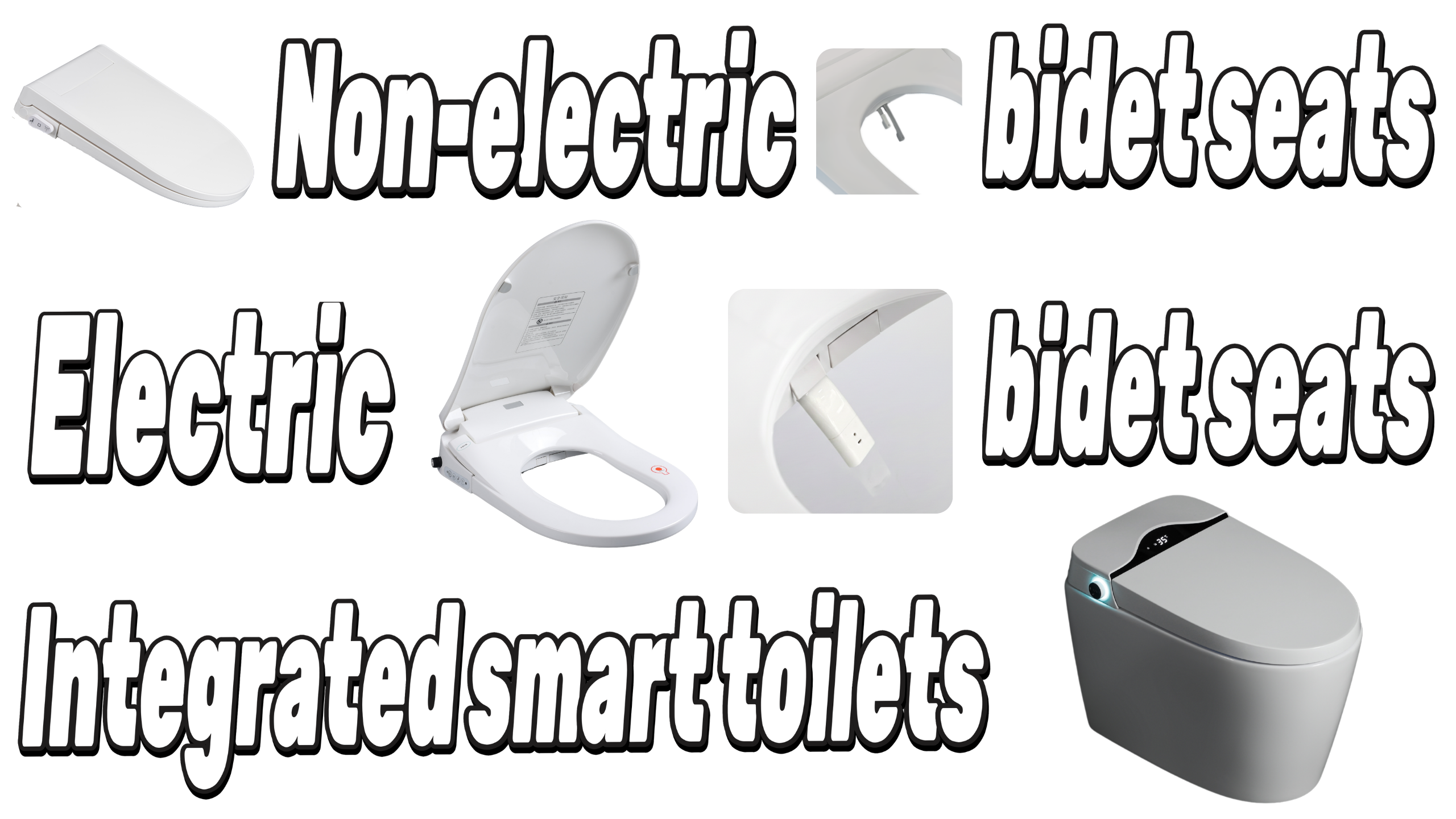
Warm Water Bidet Seats: Why They're Worth It | EMU
Smart toilets combine integrated bidet wash, auto-flush, heated seats, and self-cleaning technology. Complete guide to features, benefits, and what to look for.
Smart toilets are no longer a novelty. They are the fastest-growing segment in the bathroom industry - and for good reason. Combining advanced hygiene technology with intuitive design, a smart toilet transforms one of the most-used rooms in any home or building into a genuinely modern space.
This guide covers what smart toilets are, how they differ from bidet seats, what features matter, and what to look for when specifying or purchasing one.
← Back to the Complete Guide to Bidet Toilet Seats
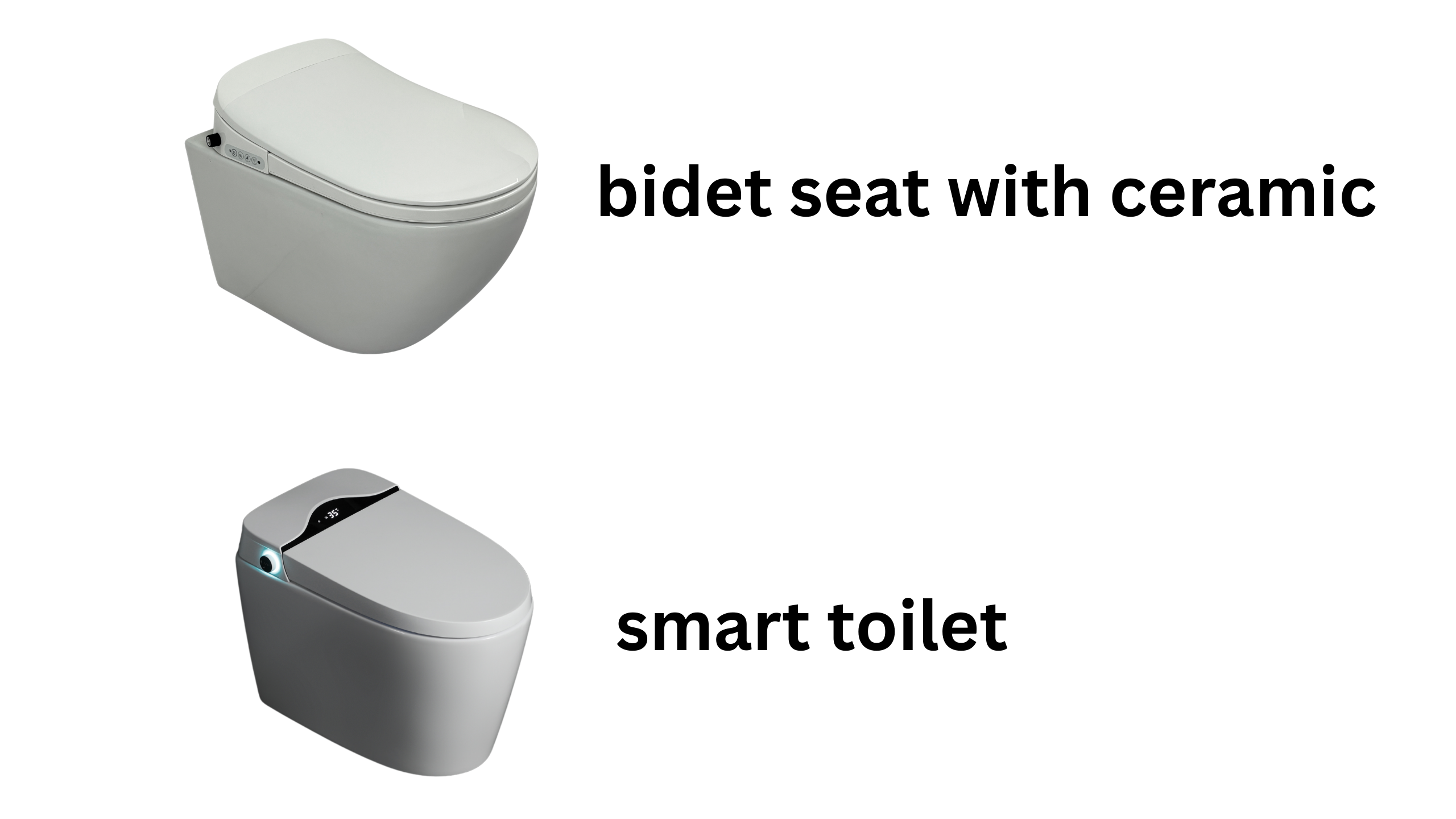
A smart toilet is an integrated toilet unit that combines a ceramic toilet bowl with built-in electronic bidet functions - all in a single, seamless fixture. Unlike a bidet seat, which retrofits onto an existing toilet, a smart toilet is a complete replacement unit.
Smart toilets typically include:
At the premium end, smart toilets also include tankless flushing systems, touchscreen or app-based controls, and full integration with smart home ecosystems.
Both deliver the same core hygiene benefits. The difference is in form, cost, and installation scope.
| Bidet Seat | Smart Toilet | |
|---|---|---|
| Installation | Fits existing toilet | Full toilet replacement |
| Upfront cost | Lower | Higher |
| Aesthetic | Retrofit appearance | Seamless, integrated look |
| Features | Core bidet functions | Full feature set + automation |
| Best for | Upgrades, retrofits | New builds, full renovations |
| Compatibility | Most standard bowls | Requires specific rough-in dimensions |
For homeowners upgrading an existing bathroom, a bidet seat is the practical, cost-effective choice. For new builds, full renovations, or premium residential and commercial projects, a smart toilet delivers the complete experience.
Learn more about bidet seats →
The core function. Warm water cleaning - rear and front - with adjustable pressure, temperature, and nozzle position. The same hygiene benefits as a bidet seat, built directly into the unit.
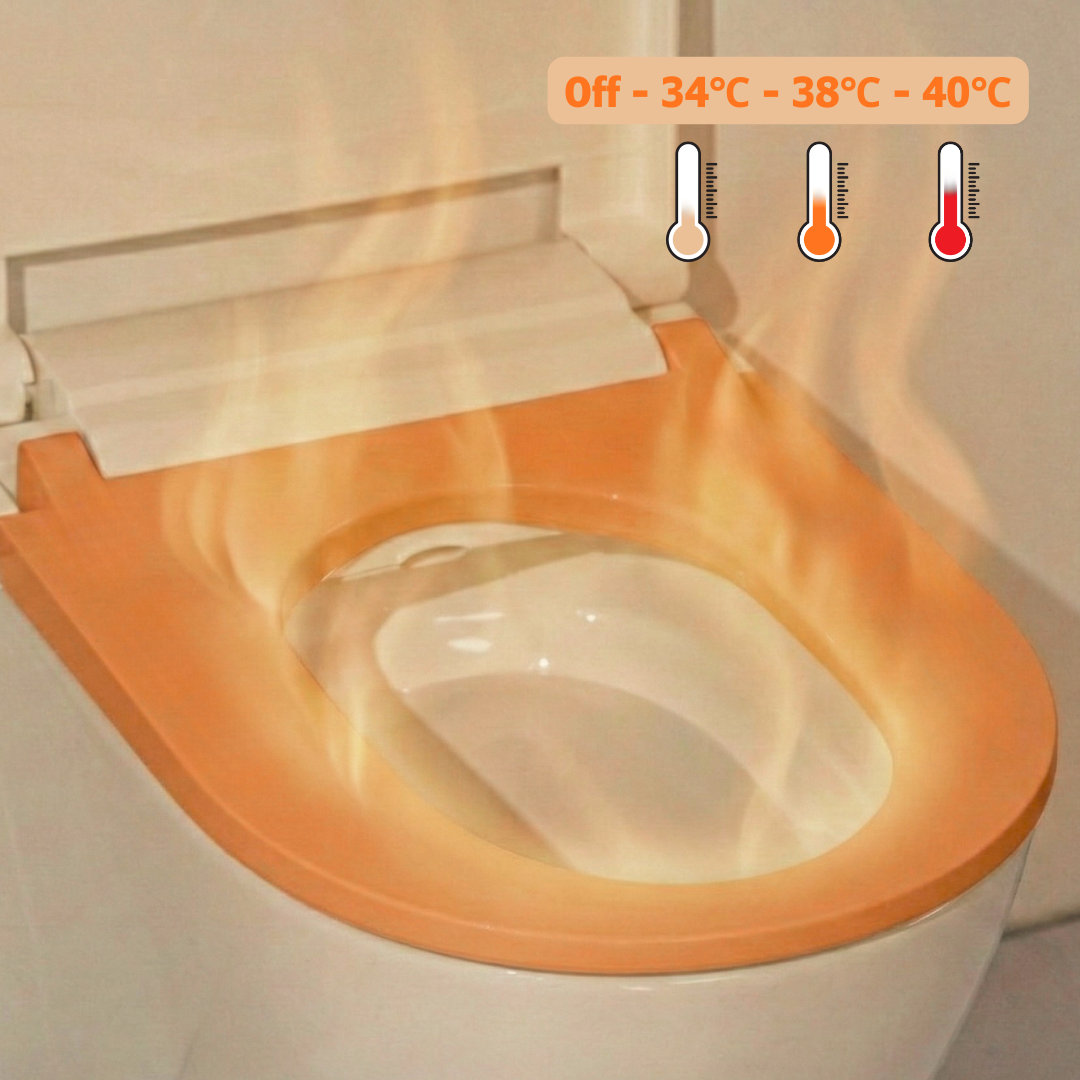
Adjustable seat temperature, typically between 30°C and 40°C. Standard on all quality smart toilets.
Eliminates the need for toilet paper after washing. Adjustable temperature and airflow.
Proximity sensors detect approach and departure, opening and closing the lid automatically. Reduces touchpoints - important in both residential and commercial hygiene contexts.
Hands-free flushing triggered by standing up or a motion sensor. Again, reduces touchpoints and improves hygiene.
Electrolytic or UV cleaning systems keep the bowl and nozzle sanitized between uses. Reduces cleaning frequency and chemical use.
Built-in carbon filter or catalytic deodorizer neutralizes odors at the source, inside the seat.
Multiple user profiles save individual preferences - seat temperature, water temperature, pressure, nozzle position - for a personalized experience every time.
The smart toilet market is growing at over 22% year-on-year. Several factors are driving this:
For European and UK markets, CE and UKCA certification are non-negotiable. Ensure the unit also complies with RoHS material standards and includes anti-backflow protection on the water inlet.
Instant (tankless) heating is preferable to tank-type for consistent warm water delivery without volume limits.
Tankless flushing systems offer a cleaner aesthetic and more reliable performance than traditional cistern-based designs.
Smart toilets require specific floor-to-drain measurements. Always confirm rough-in dimensions before specifying for a project.
Remote control, wall panel, or app-based controls each suit different use cases. For commercial or multi-user settings, simple remote controls are most practical.
Smart toilets are complex units. Choose a manufacturer that offers responsive technical support, clear warranty terms, and availability of replacement parts.
Smart toilets are increasingly specified in:
EMU supplies both finished smart toilet units and core technology components for OEM manufacturers producing custom-branded products. Our smart toilet range is CE and UKCA certified, RoHS compliant, and backed by over 20 years of sanitary ware engineering experience.
Interested in specifying smart toilets for a project or exploring an OEM partnership? Contact our team →
A smart toilet is often the centrepiece of a broader intelligent bathroom upgrade. Combined with smart mirrors, sensor-activated lighting, and connected water management, it forms part of a fully integrated bathroom ecosystem - a growing category in both premium residential and commercial construction.
EMU's one-stop solution covers the full spectrum: from bidet seats for retrofit upgrades to fully integrated smart toilets for new builds and renovations.
Continue exploring the content hub: - ← The Complete Guide to Bidet Toilet Seats - ← Warm Water Bidet Seats: Why They're Worth It - ← How to Install a Bidet Seat: Step-by-Step Guide - ← Bidet vs Toilet Paper: The Real Comparison
Get the latest insights on smart bathroom technology delivered to your inbox
Warm water is the #1 requested bidet feature. Find out how warm water bidet seats work, what to look for, and why electric bidet seats are worth the upgrade.
Read more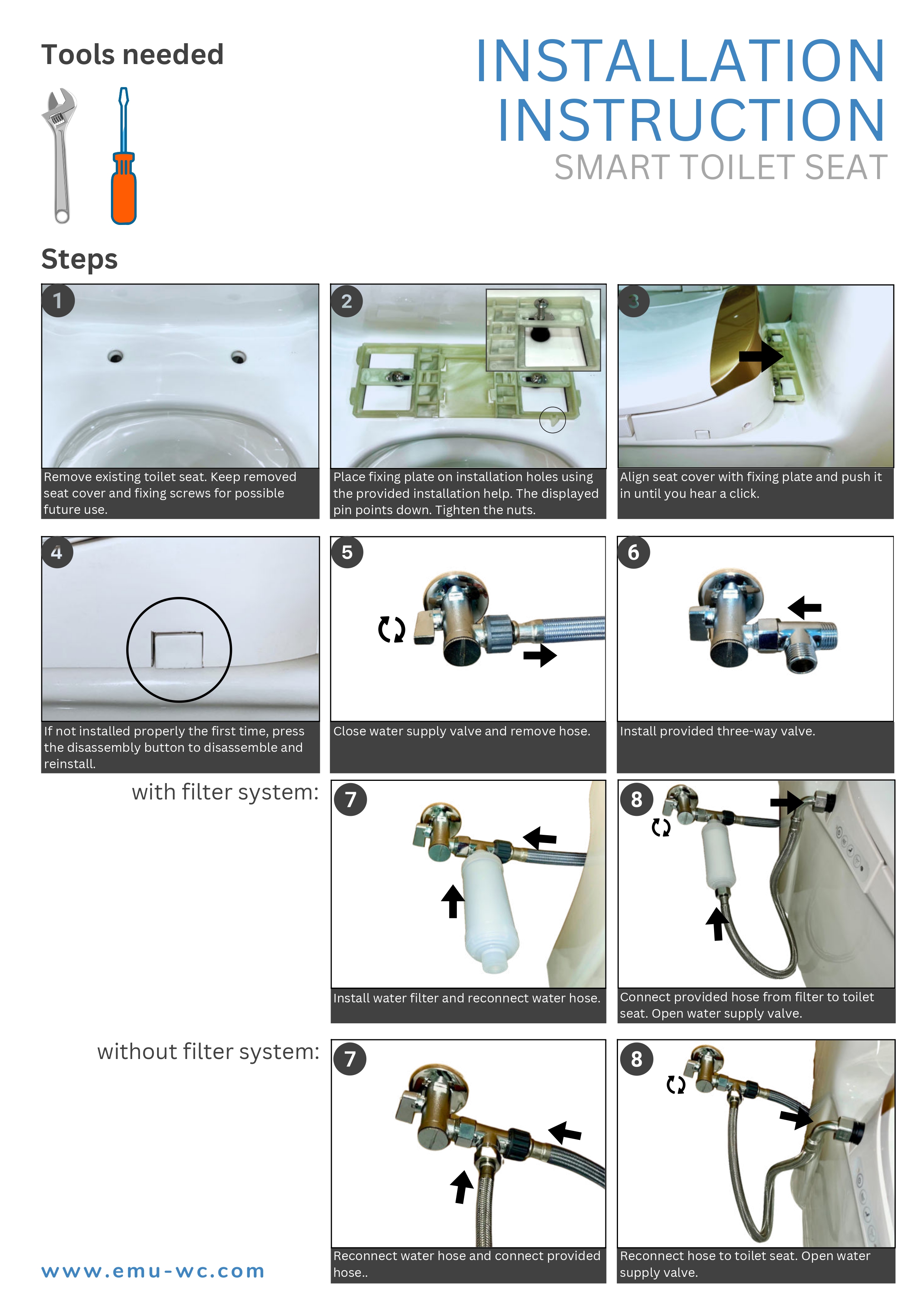
Install a bidet seat in under an hour - no specialist plumbing needed. Complete step-by-step guide for homeowners and contractors, plus troubleshooting tips.
Read more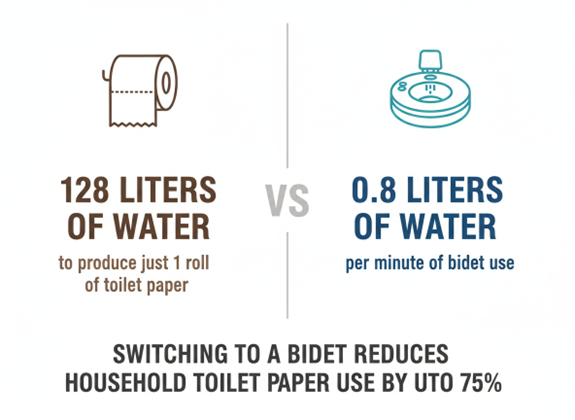
One toilet paper roll uses 128 liters of water to produce. A bidet uses under 1 liter per wash. The real environmental and health comparison - with the data.
Read moreDiscover our range of bidet toilets and intelligent bathroom solutions